Watch them drive.
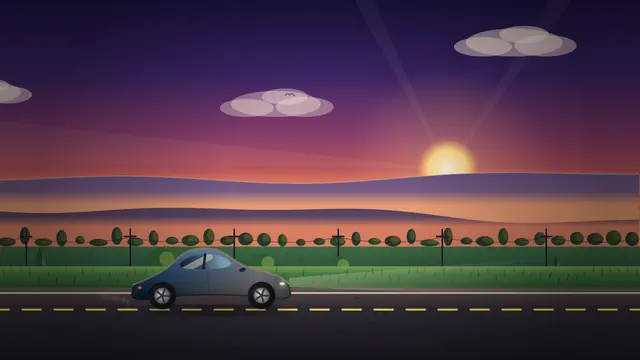
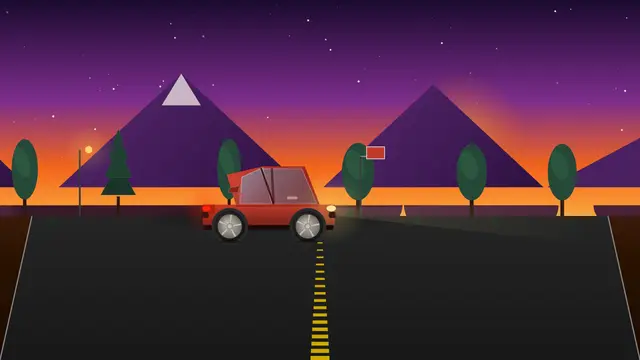
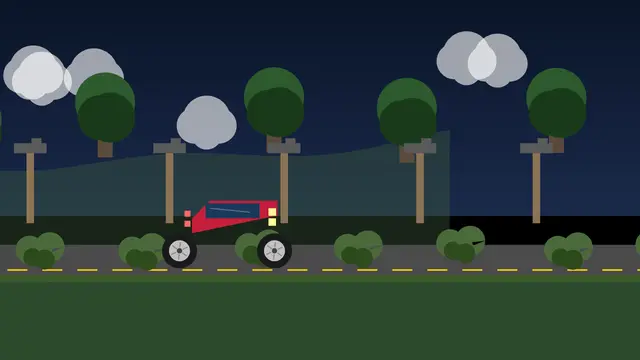
Frontier models in the cloud and quantized open weights running at home all got the same one‑paragraph request, a sandboxed terminal with a real browser, and up to five hours. This is everything they built — every attempt, rated in blind duels.
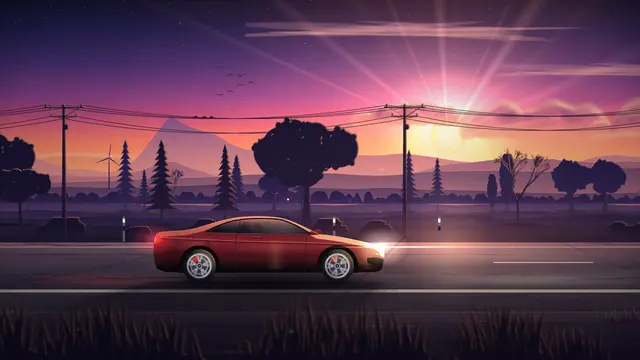
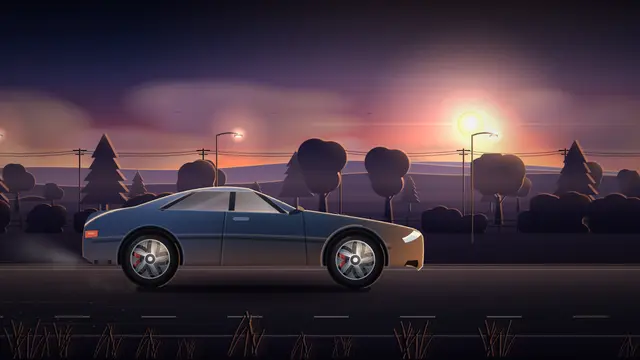
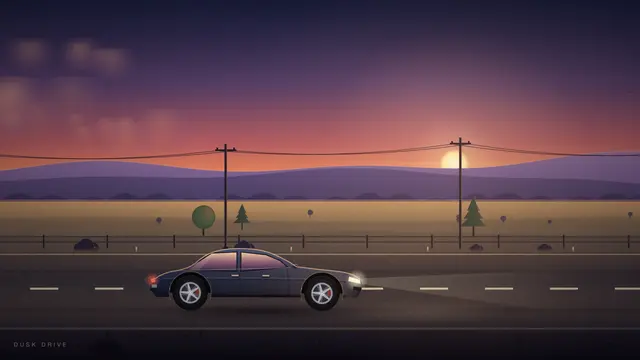
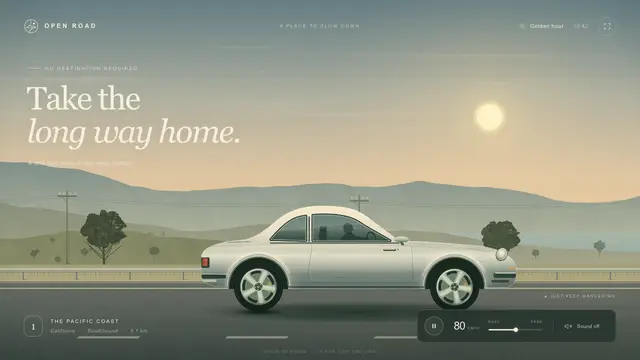
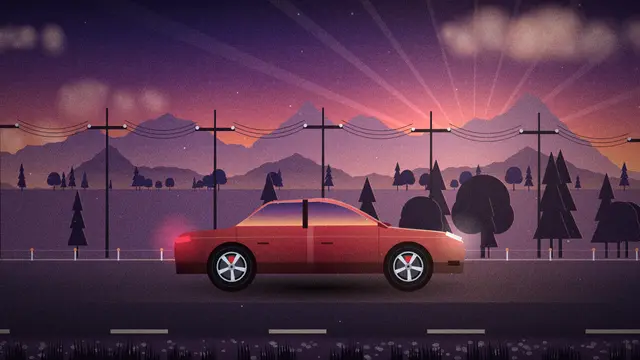
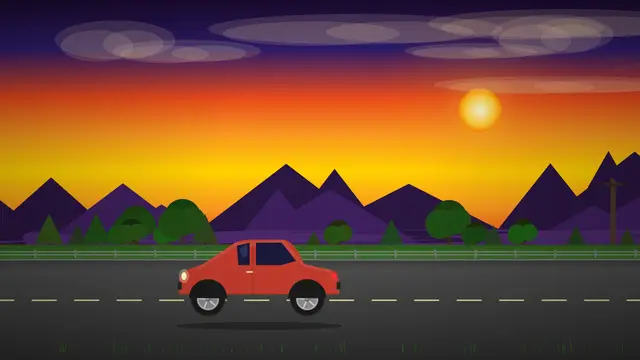
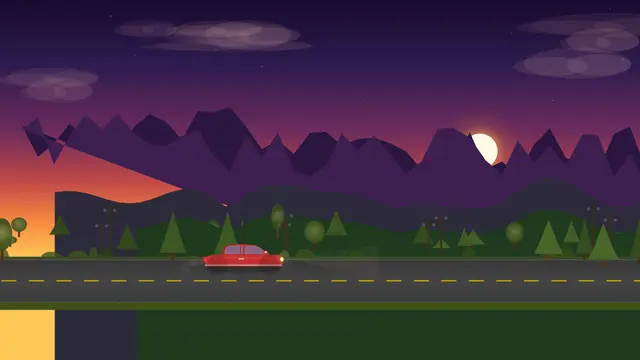
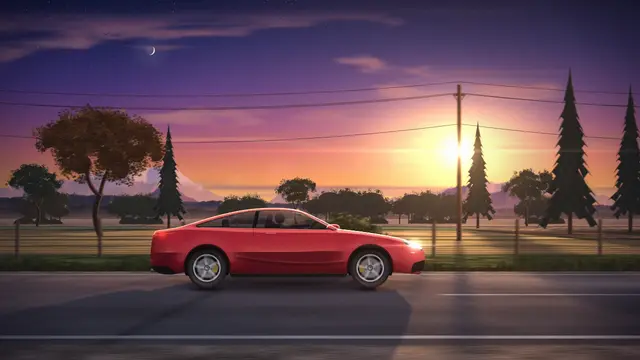
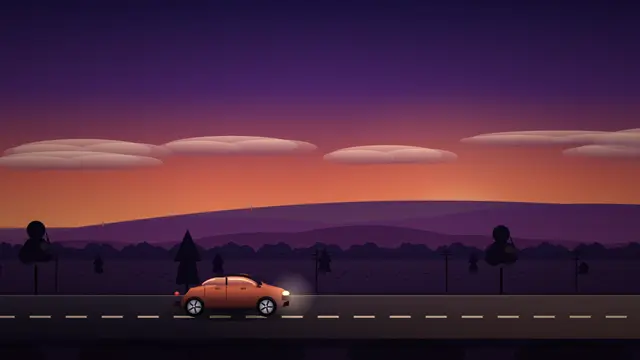
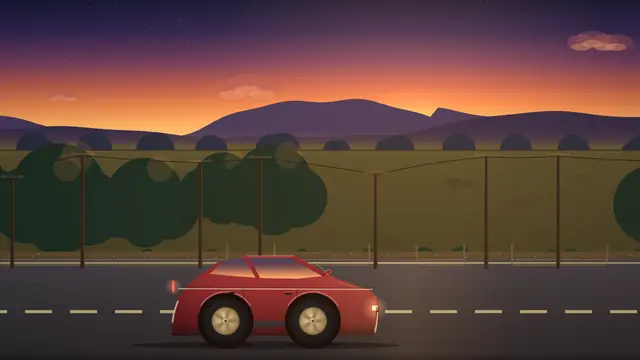
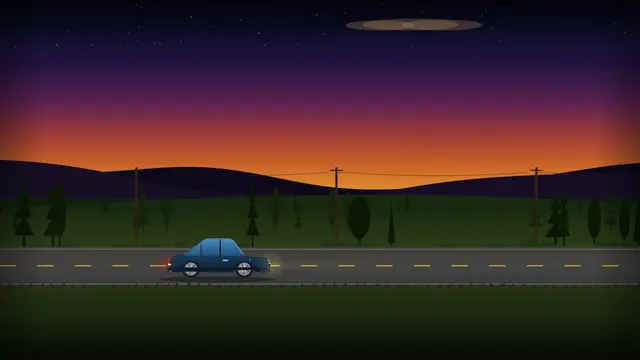
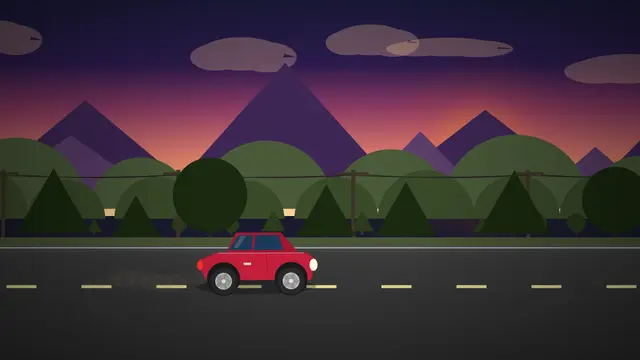
Write a single HTML file with a full-page canvas and no libraries. Simulate a realistic side-view of a moving car as the main subject. Keep the car visible in the foreground while the background landscape scrolls continuously to create the feeling that the car is driving forward. Use layered scenery for depth: nearby ground, roadside elements, trees, poles, and distant hills or mountains should move at different speeds for a natural parallax effect. Animate the wheels spinning realistically and add subtle body motion so the car feels connected to the road. Let the environment pass smoothly behind it, with repeating but varied scenery that makes the movement feel believable. Use cinematic lighting and a cohesive sky, such as sunset, dusk, or daylight, to enhance atmosphere. The overall motion should feel calm, immersive, and realistic, with a seamless looping animation.
The wall
The best attempt of every setup. The number on each card is output tokens, reasoning included: how much the model worked, whatever the speed of its server. Click a car to watch it live.
 A
 A
 A
2 runsLOCAL
 A
2 runsLOCAL
 B
2 runsLOCAL
 B
 B
2 runsLOCAL
 B
2 runs
 B
2 runs
 B
2 runs
 B
2 runs
 B
2 runs
 C
2 runsLOCAL
 C
2 runs
 C
2 runs
 C
2 runs
 C
2 runsLOCAL
 C
 D
2 runs
 D
2 runsLOCAL
 D
2 runs
 D
2 runs
 D
2 runs
 D
2 runs
 D
2 runs
 D
2 runs
 F
2 runsLOCAL
 –
 –
3 runs
 –
2 runs
 –
2 runs
 –
2 runs
 –
2 runs
 –
2 runs
 –
2 runs
 –
2 runs
 –
2 runs
 –
2 runs
 –
2 runs
 –
2 runs
 –
2 runs
 –
2 runs
 –
2 runs
How it works
Each model works as an agent inside a macOS sandbox: shell, Node, Python and a GPU‑accelerated headless Chromium. It can screenshot its own page, notice what’s wrong and fix it. Hard limit: five hours. Most models run through the open‑source agent pi; Claude models run in Claude Code.
Finished pages meet in blind duels: two animations side by side, names hidden, pick the better one. A Bradley–Terry model turns the votes into each setup’s chance of beating the strongest one — that chance is the tier.
Tokens are output tokens with reasoning included — counted even where the provider hides the reasoning text, as OpenAI and Anthropic do; tokenizers differ between labs by tens of percent. A step is one model response, however many tools it called. Time is shown last: it depends on the server as much as on the model.
One prompt, a couple of attempts per setup, one person’s eye. Attempts of the same setup differ a lot. Read tiers as a sketch, not a verdict — and watch the cars yourself.